
Drywall Repair in Martinsburg, WV
Walls take a beating in a lived-in house. A door swings open too hard, or a ceiling picks up a stain from a leak upstairs. Inside Out Home Solutions handles drywall repair in Martinsburg, WV, from a single dent to a section that has to be cut out and replaced. We also hang and finish new drywall when a room calls for it. What you want at the end is a wall that looks like nothing ever happened to it.
Can a Hole in Drywall Be Patched Without Replacing the Whole Sheet?
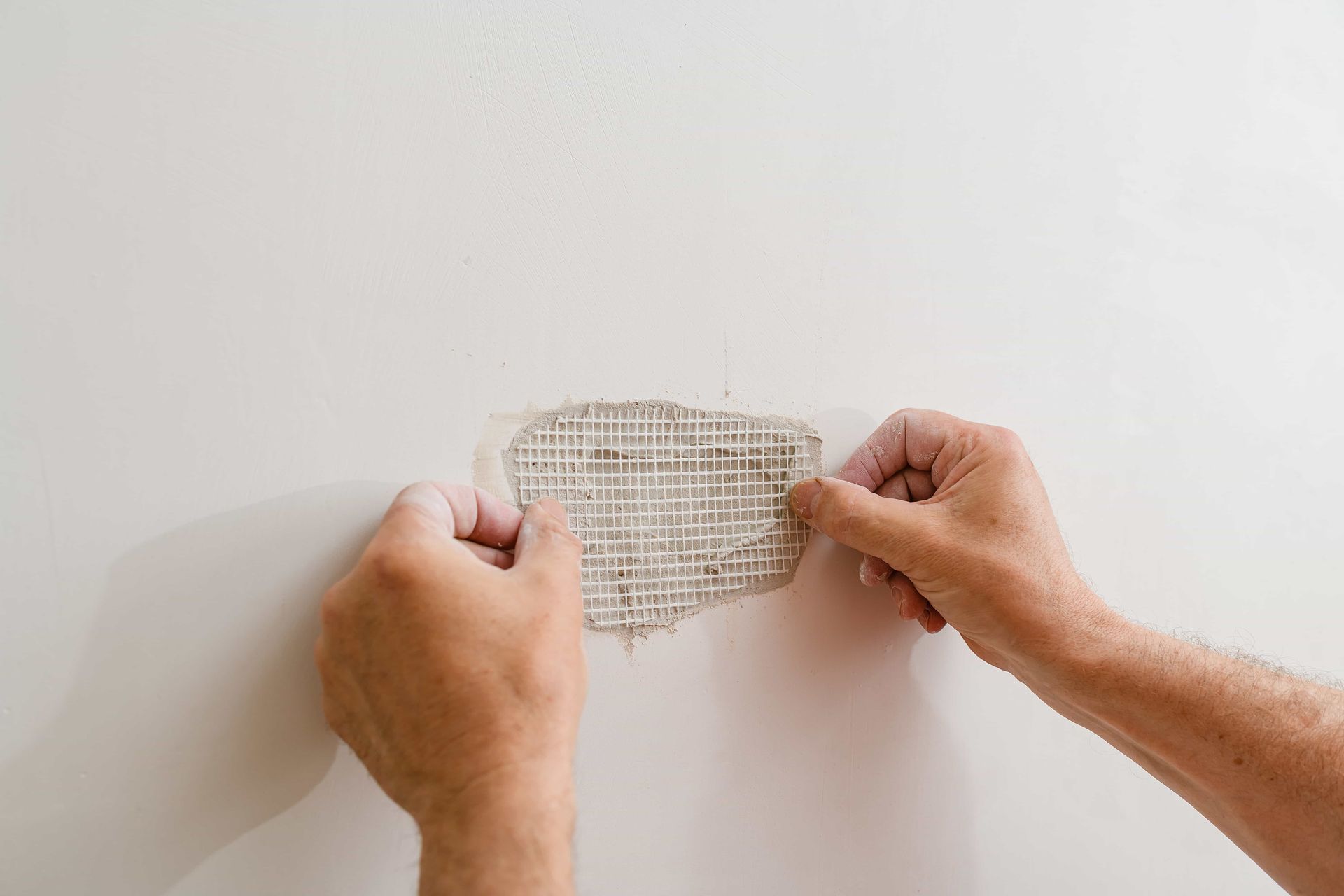
Yes, and most of the time it should be. A hole up to about six inches across can usually be closed with a backed patch that ties into the surrounding wall. Larger damage gets cut back to a clean square, often out to the nearest studs, and a new piece is screwed in. Replacing a full 4 by 8 sheet only makes sense when the damage is widespread or the board has gotten wet and soft.
How Damaged Walls and Ceilings Get Fixed
The right repair depends on what caused the damage and how big it is. Here's how the common jobs break down.
Patching Holes in Walls
Small holes from nails and doorknobs are filled and sanded smooth. Bigger openings get a patch set in, the seams taped, and joint compound built up in thin coats. Each coat dries completely before the next one goes on. Skipping that wait is the main reason patches crack or sink later.
Cracks and Water Stains
Cracks often show up along seams or above door frames as a house settles. Taping over them properly keeps them from coming right back.
Water stains are a different problem. The leak has to be stopped first. After that, any soft or crumbling board is cut out and replaced. A stain on board that's still solid can often be sealed instead, so it won't bleed through fresh paint.
Drywall Installation and Finishing
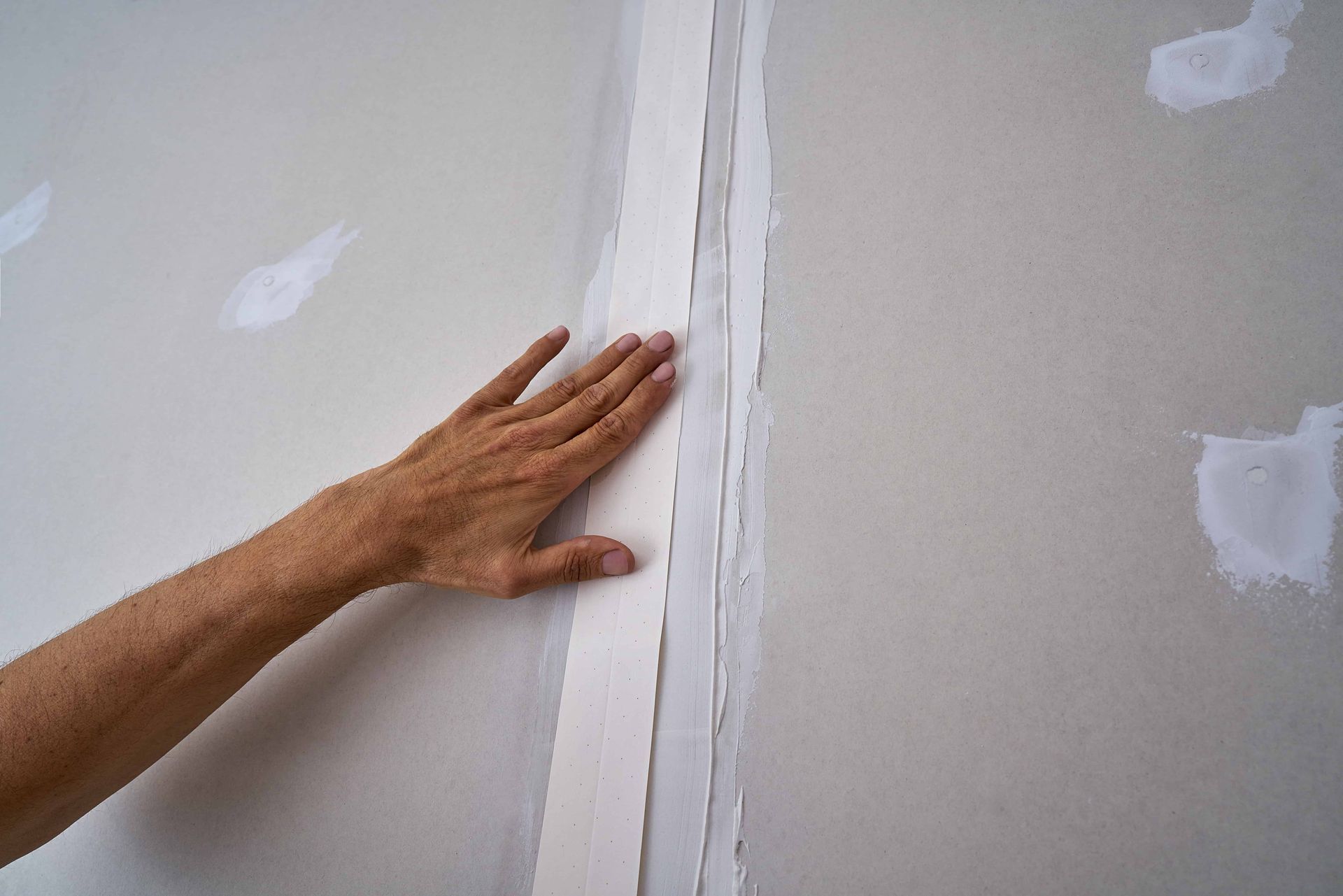
New walls and finished basements start with hanging fresh board. Drywall finishing is what decides how the wall looks. That means taping the seams and building up compound, then sanding until the surface is flat. Rushed finishing leaves visible seams and screw pops a few months down the road.

What You Get by Calling One Company
Drywall work tends to turn up next to other jobs. Pull out an old vanity, and the wall behind it may be torn up. Lay a new floor, and the bottom of a wall can get nicked. We also handle
flooring installation and
home remodeling. That lets a wall repair fold into a bigger project instead of getting scheduled on its own.
Drywall is one of several services from
Inside Out Home Solutions. We work out of 2142 Winchester Ave in Martinsburg.
Drywall Repair Across the Martinsburg Area
We do drywall work in Martinsburg and in nearby Hedgesville, Ranson, and Charles Town. If you're farther out than that, call and we'll tell you whether we can get to you.
Common Drywall Questions
How long does joint compound take to dry?
Standard premixed compound needs about 24 hours per coat to dry fully, and a good repair usually takes two or three coats. Humidity and cold slow drying down. Quick-setting compound hardens in 20 to 90 minutes depending on the mix, which helps on small patches.
Will I be able to see the patch afterward?
Not if it's finished and primed correctly. The compound is feathered out several inches past the repair so there's no ridge at the edge. Matching an existing texture, like orange peel or knockdown, takes an extra step so the patch blends with the wall around it.
Do I need to paint after a drywall repair?
Yes. Bare joint compound soaks up paint differently than the painted wall around it, so the patch needs primer first. Without primer, the spot often shows up as a dull area once the paint dries. Painters call this flashing.
What causes nail pops in drywall?
Nail pops happen when framing lumber shrinks or shifts and pushes the fastener head outward. They're common in the first year or two of a new house. The usual fix is to drive a drywall screw about an inch and a half from the pop, reset the nail, and cover both with compound.
Should I worry about mold behind a water-stained wall?
It's worth checking. Drywall that stays wet for more than 24 to 48 hours can start growing mold on its paper face or back side. Cutting out the stained section lets you see inside the wall before the new piece goes in.
Get Your Walls Fixed
A quick photo of the damage tells us a lot about the size of the job. Text or call it in at (240) 527-0800, or describe the problem on our online request form. We'll follow up to set a time to see it in person.